
Definition Principles
Metropolitan areas and agglomerations in the Czech Republic were defined for the period after 2020 in accordance with the uniform methodology developed by the Ministry of Regional Development, prepared in 2020 by experts from Charles University.
The aim was to ensure comparability across the individual areas and to establish a sound basis for implementing regional policy in line with the Czech Republic’s Regional Development Strategy 2021+. The definition also supports the effective use of European funds through Integrated Territorial Investments (ITI), which contribute to the transparent and coordinated implementation of territorial strategies.
The definition of metropolitan areas and agglomeration was based on an analysis of metropolitanisation processes – including commuting for work, education and services – as well as data on the time spent in core cities, derived from mobile operator data. The methodology also incorporated an analysis of residential suburbanisation zones.
Methodology (in Czech only)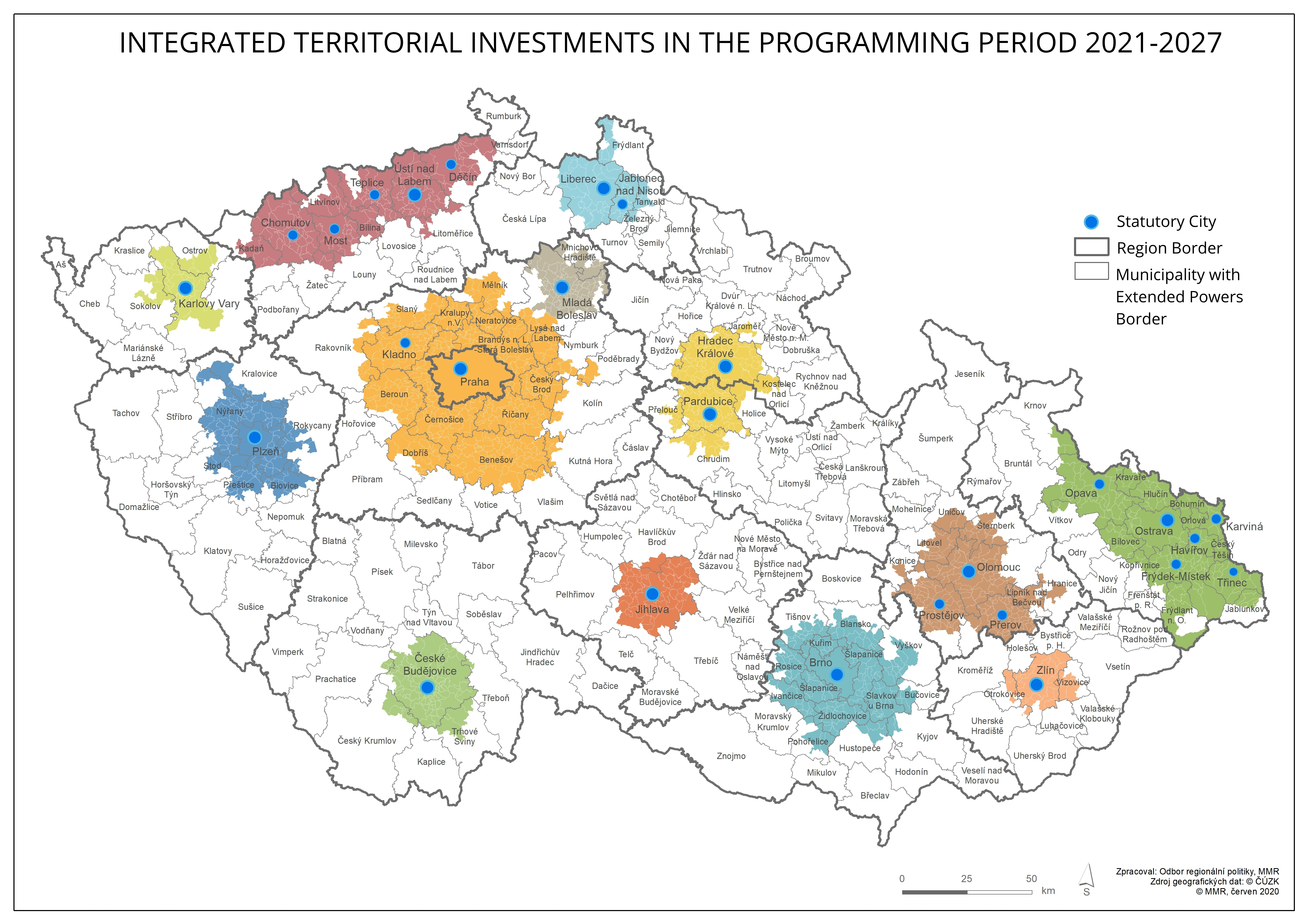
MAP OF MOA CZ
The Prague Metropolitan Area (PMO) is the largest metropolitan area in the Czech Republic and one of the fastest-growing regions in the country. The PMO comprises the capital city of Prague and 490 municipalities in the Central Bohemian Region.
The PMO’s aim is to develop modern and sustainable infrastructure that improves residents’ quality of life and enhances the area’s attractiveness to visitors. Transport remains a key priority, including the development of P+R car parks, improvements to public transport in Prague and its surrounding areas, and the expansion of cycling infrastructure. In addition to transport, ITI investments also support the revitalisation of squares, parks and other public spaces, creating a more pleasant environment for living and recreation. Support is also directed towards the renovation of historic monuments and infrastructure around cultural sites, helping to distribute tourism beyond Prague’s historic centre.
In the previous programming period, CZK 3.9 billion was invested in the PMO through the ITI instrument. In the current period, almost CZK 12 billion in support has been allocated to the PMO, with projects worth almost CZK 8 billion already selected.
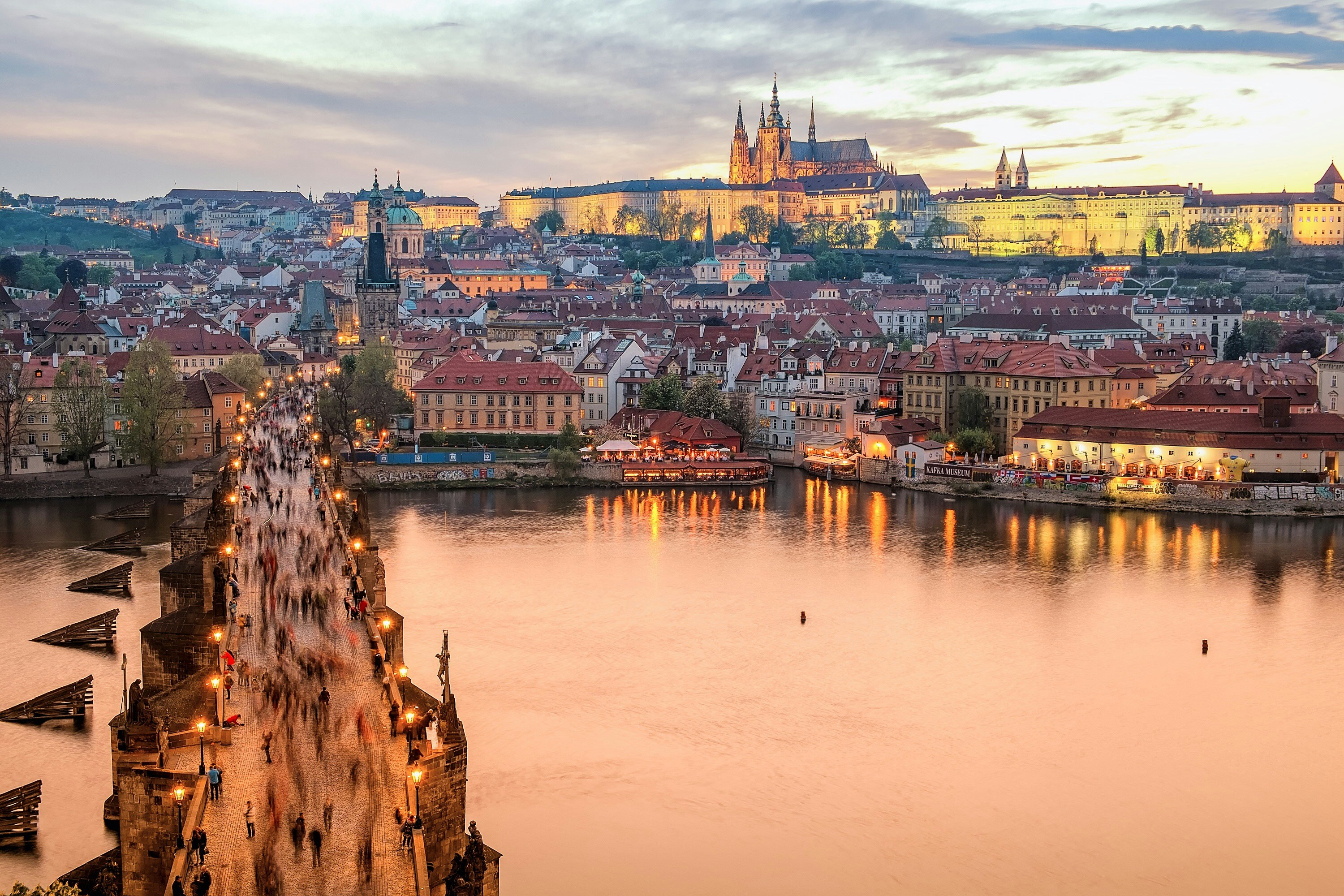
The Ostrava Metropolitan Area (OMO) is a polycentric functional area consisting of 172 municipalities, centred around six statutory cities, including Ostrava as its metropolitan core. The Ostrava Metropolitan Area covers half of the territory of the Moravian-Silesian Region and is home to more than 961,000 inhabitants, accounting for over 80% of the region’s population.
In the 2021–2027 programming period, around 230 projects are currently being prepared or implemented, with a total value of nearly CZK 8 billion from EU funds.
A significant share of these projects focuses on cross-sectoral cooperation in research and development and on infrastructure and services aimed at applying research results in enterprises. A substantial part of the ITI allocation is also directed towards improving sustainable mobility across the Ostrava Metropolitan Area. The implementation of the ITI Strategy also supports education, social services, culture and the regeneration of public spaces.
All these supported areas form integrated solutions that contribute to improving living conditions for both residents and visitors throughout the Ostrava Metropolitan Area.
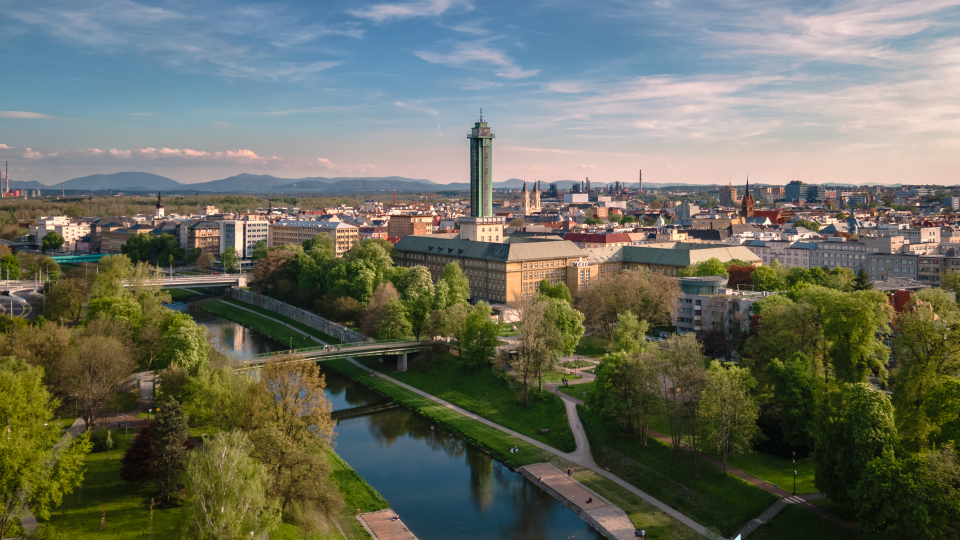
The Brno Metropolitan Area (BMO) comprises 184 municipalities with a population of more than 734 thousands.
Its development is coordinated through the Integrated Development Strategy of the Brno Metropolitan Area and the Integrated Territorial Investments (ITI) instrument, through which 240 projects worth CZK 12.5 billion have been supported since 2014 – 136 in the city of Brno and 104 in its surrounding area.
The strategy aims to promote the sustainable and balanced development of the entire BMO, strengthening links between Brno and its hinterland and enhancing the attractiveness of the region as a whole. Investments are therefore focused primarily on sustainable public and cycling transport, increasing the capacity and quality of education, and social services infrastructure. All these investments form meaningful integrated solutions, allowing their individual impacts to multiply one another.
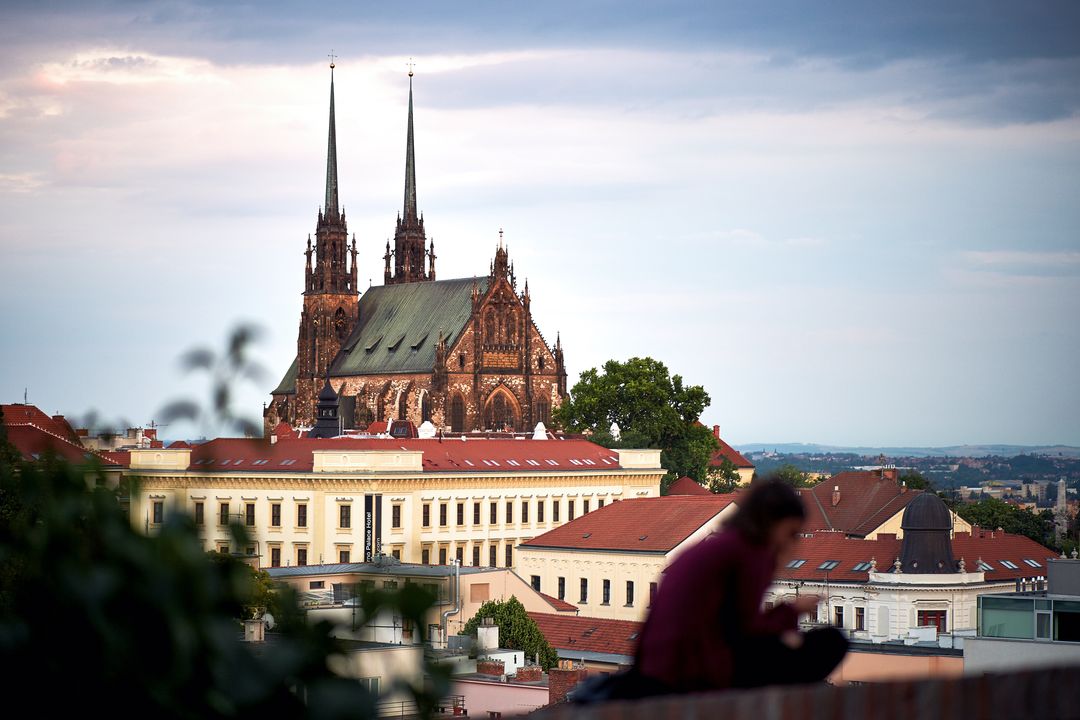
The Ústí–Chomutov Agglomeration (ÚChA) is a polycentric area connecting large cities and smaller municipalities with the aim of improving quality of life, strengthening the economy and enhancing the attractiveness of the area. It currently comprises 132 municipalities with a population of nearly 550 thousand.
Since the beginning of its activities, more than 110 projects have received support totalling nearly CZK 6.7 billion in EU funding. These investments focus primarily on areas such as low-emission transport, research and education, the restoration of cultural heritage sites, tourism development, the regeneration of public spaces and, last but not least, strengthening social cohesion.
The aim is to develop a sustainable, modern, competitive and attractive agglomeration that offers a high quality of life for both current and future generations, while also fostering cooperation and stronger bonds across the area to ensure the efficient use of resources and create synergies between individual municipalities.
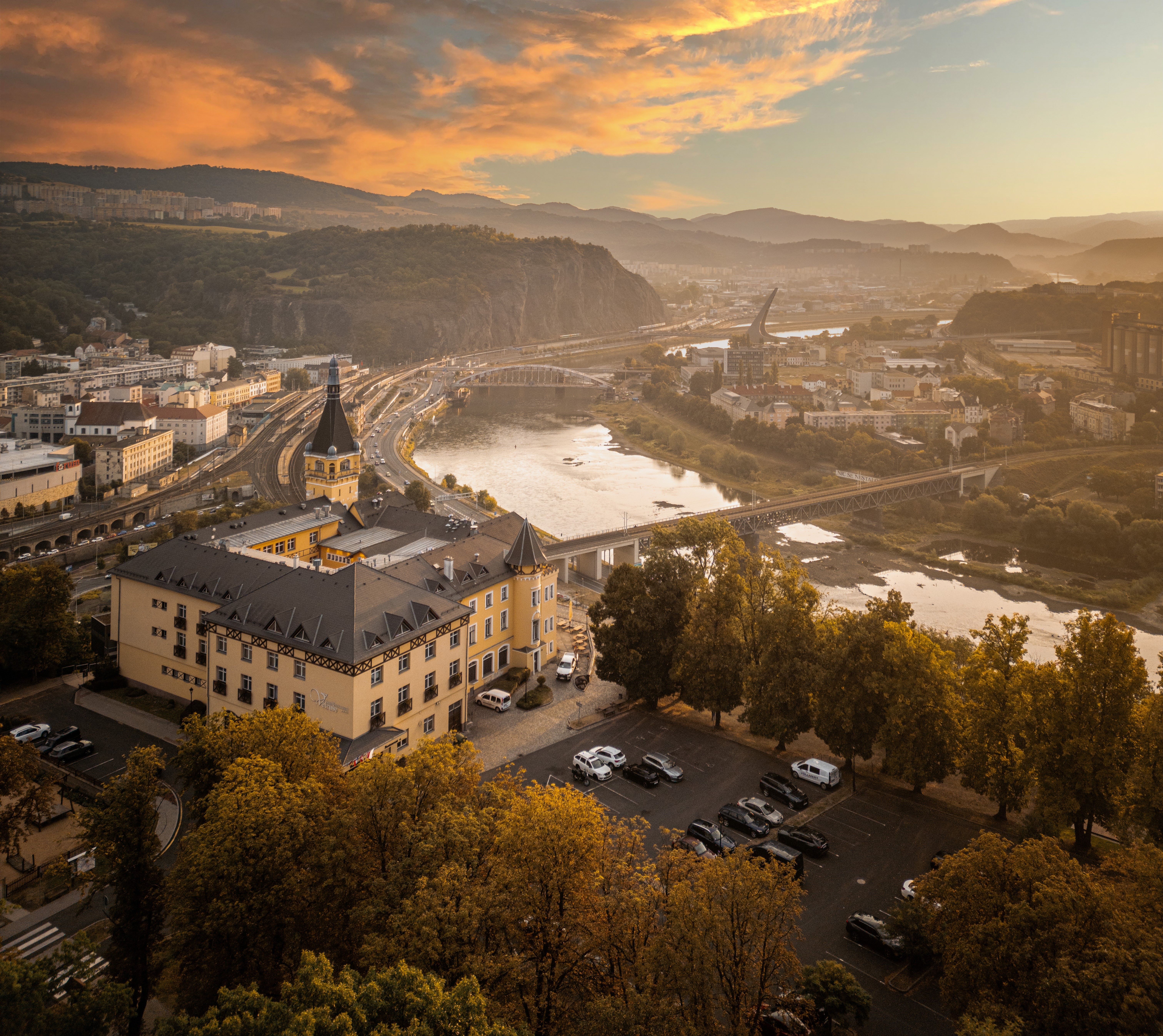
The Olomouc Agglomeration (OA) represents a strong and natural development centre of Central Moravia, shaped around three major cities – Olomouc, Prostějov and Přerov. This functionally interconnected area extends across nine administrative districts of municipalities with extended powers: Hranice, Konice, Lipník nad Bečvou, Litovel, Olomouc, Prostějov, Přerov, Šternberk and Uničov. Covering just 33% of the area of the Olomouc Region, it is home to approximately 63% of its population, underlining its importance in both the regional and wider context.
The agglomeration combines a rich historical heritage, a strong academic base, economic vitality and human capital, creating a favourable environment for innovation, entrepreneurship and a high quality of everyday life.
Thanks to an integrated approach, strategic projects are being developed that connect transport, education, science, innovation, the environment and public space into a coherent and modern whole. The Olomouc Agglomeration is thus developing as a dynamic and attractive region, offering a strong environment for residents, investors and visitors while promoting sustainable and smart development.
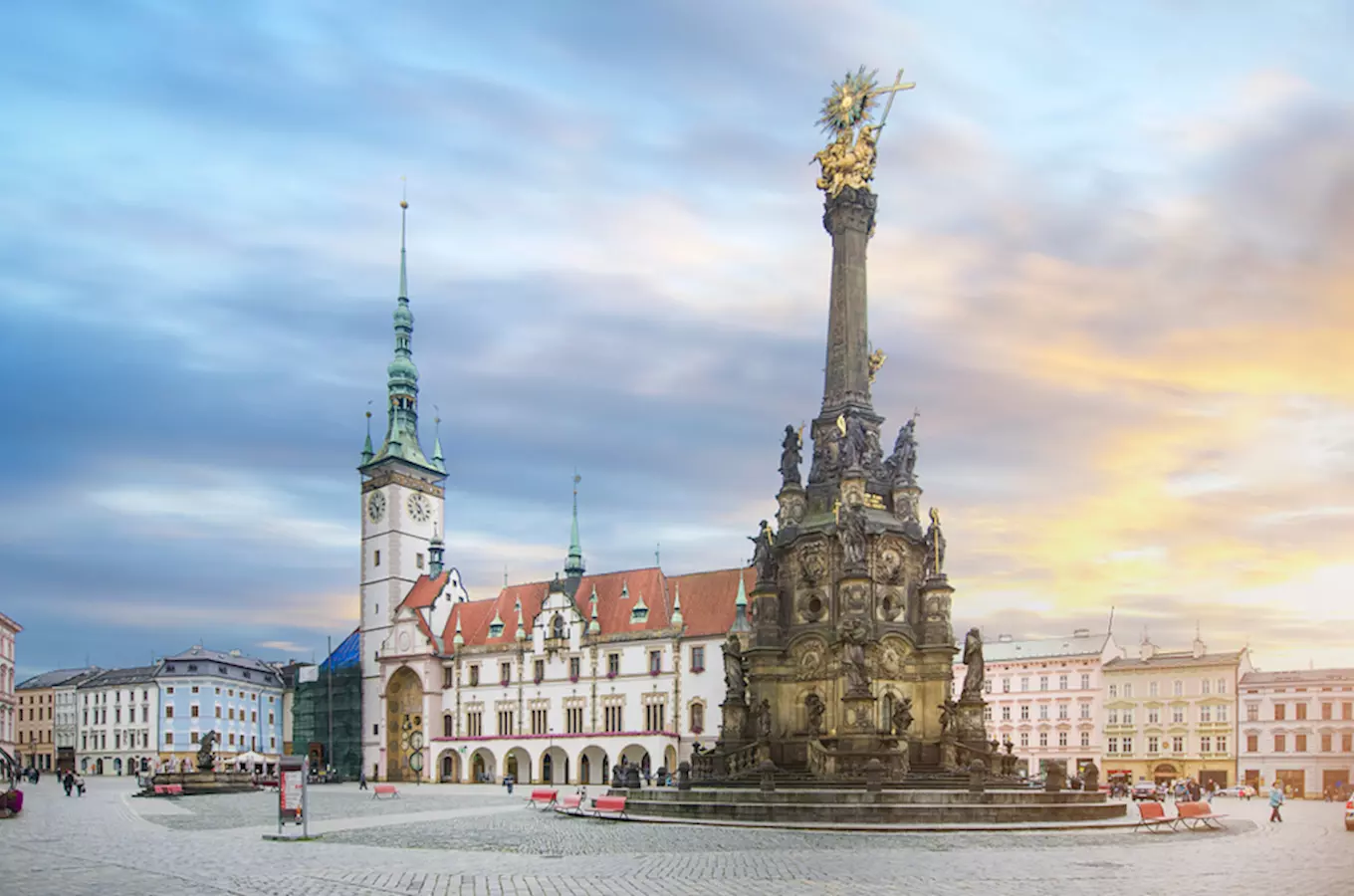
The Hradec Králové–Pardubice Agglomeration (HPA) is a unique dual-core centre of eastern Bohemia, formed by the similarly sized cities of Hradec Králové and Pardubice. It spans two regions and comprises 152 municipalities with a population of more than 351 thousand. The agglomeration is a textbook example of a functionally interconnected area – mobility between the two core cities is high, and together with their hinterland, they form a highly integrated functional area.
The key document guiding its development is the Hradec Králové–Pardubice Agglomeration Spatial Development Strategy, which sets priorities in sustainable transport and multimodality, the modernisation of schools and development of education, support for entrepreneurship, research and innovation, improving the quality of public spaces and green infrastructure, environmental protection, the restoration of cultural heritage, and the development of social services.
In the 2014–2020 programming period, 128 projects received support totalling CZK 3.2 billion; for the 2021+ period, the allocation amounts to CZK 2.97 billion.
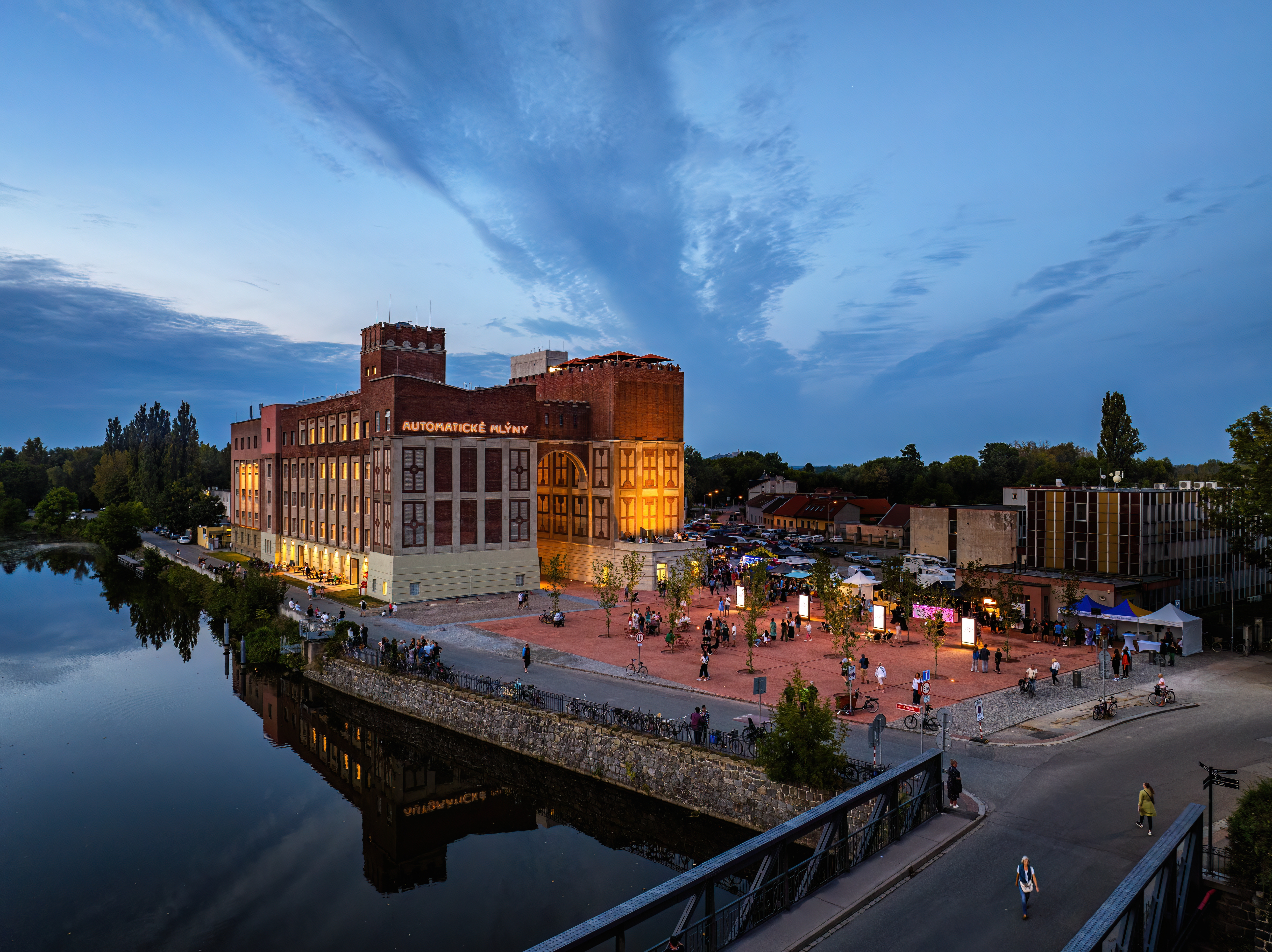
The Plzeň Agglomeration (PA) is a functionally interconnected area of 108 municipalities with a population of more than 331 thousand, with the statutory city of Pilsen (in Czech Plzeň) serving as its natural centre.
The development of the area is supported through the Integrated Territorial Investments (ITI) instrument, which enables European funding to be strategically targeted at thematically and territorially interconnected projects with an impact across the entire area. In the 2014–2020 programming period, CZK 3.9 billion was invested in the PA, while more than CZK 3.8 billion has been allocated for the 2021–2027 period.
Supported projects focus on transport, research, development and innovation, education, social and green infrastructure, waste management, culture and tourism. The aim is to create a strong, stable and competitive region in which Pilsen serves as a natural centre connecting the city with its hinterland and contributing to a high quality of life throughout the agglomeration.
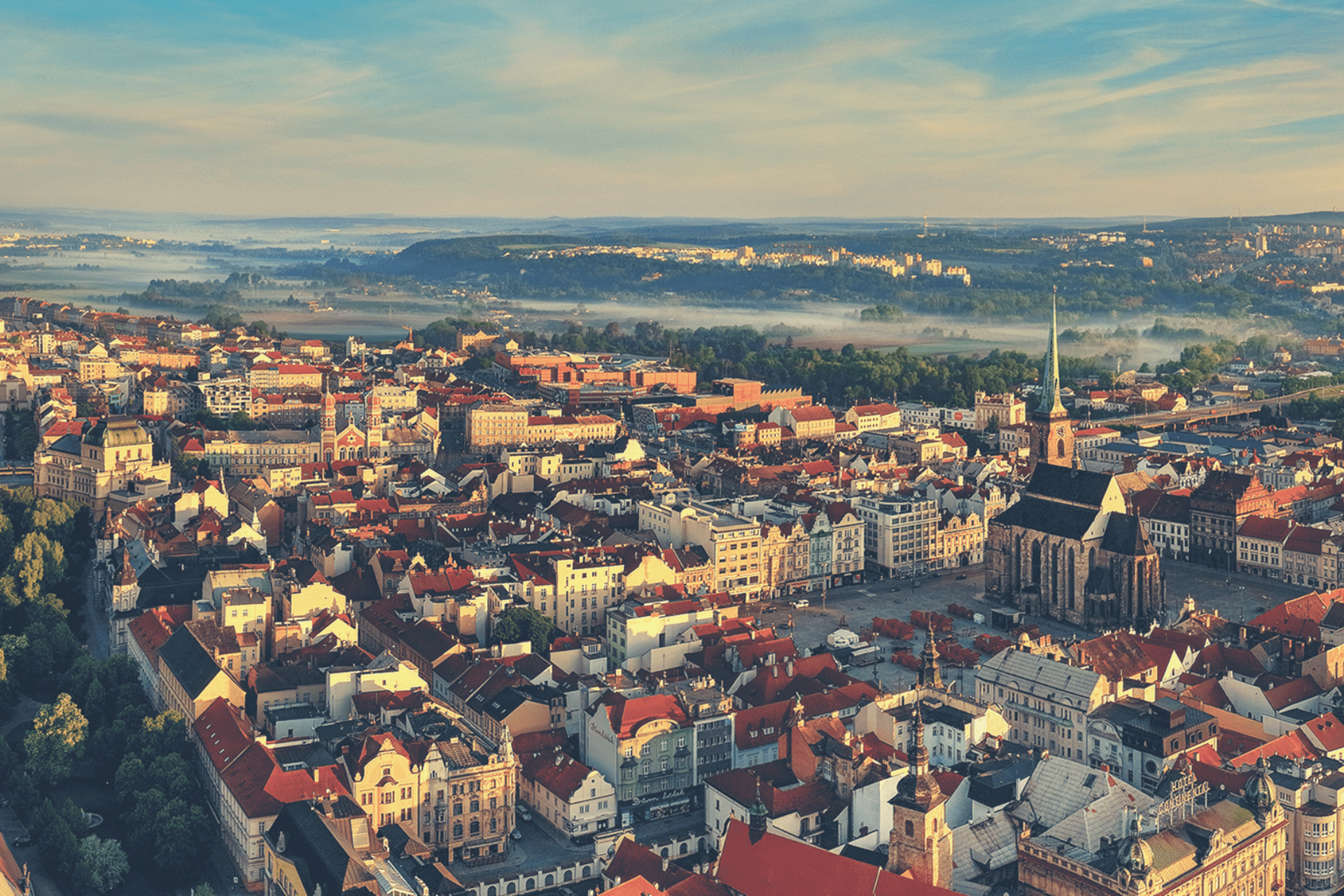
The Liberec–Jablonec Agglomeration (LJA) covers an area of 808 km² and comprises 47 municipalities, with a population of more than 227 thousand.
The agglomeration’s development needs are addressed through the Integrated Territorial Investments (ITI) instrument, which supported projects worth a total of CZK 2.2 billion during the 2014–2020 programming period. The projects focused primarily on the modernisation of classrooms in primary and secondary schools, the modernisation of kindergartens, the construction of social housing and improvements in the provision of social services. Transport was also an important area, with investments in the modernisation of tram lines and road infrastructure.
In the current 2021–2027 period, the above mentioned aims are complemented by energy infrastructure, energy savings and public spaces revitalisation. Up to CZK 2.3 billion is planned to be invested across all these areas.
The main aim of the agglomeration is to improve residents’ quality of life, strengthen social cohesion and promote sustainable development. Integrated projects that address several challenges at once provide an effective way of achieving these objectives.
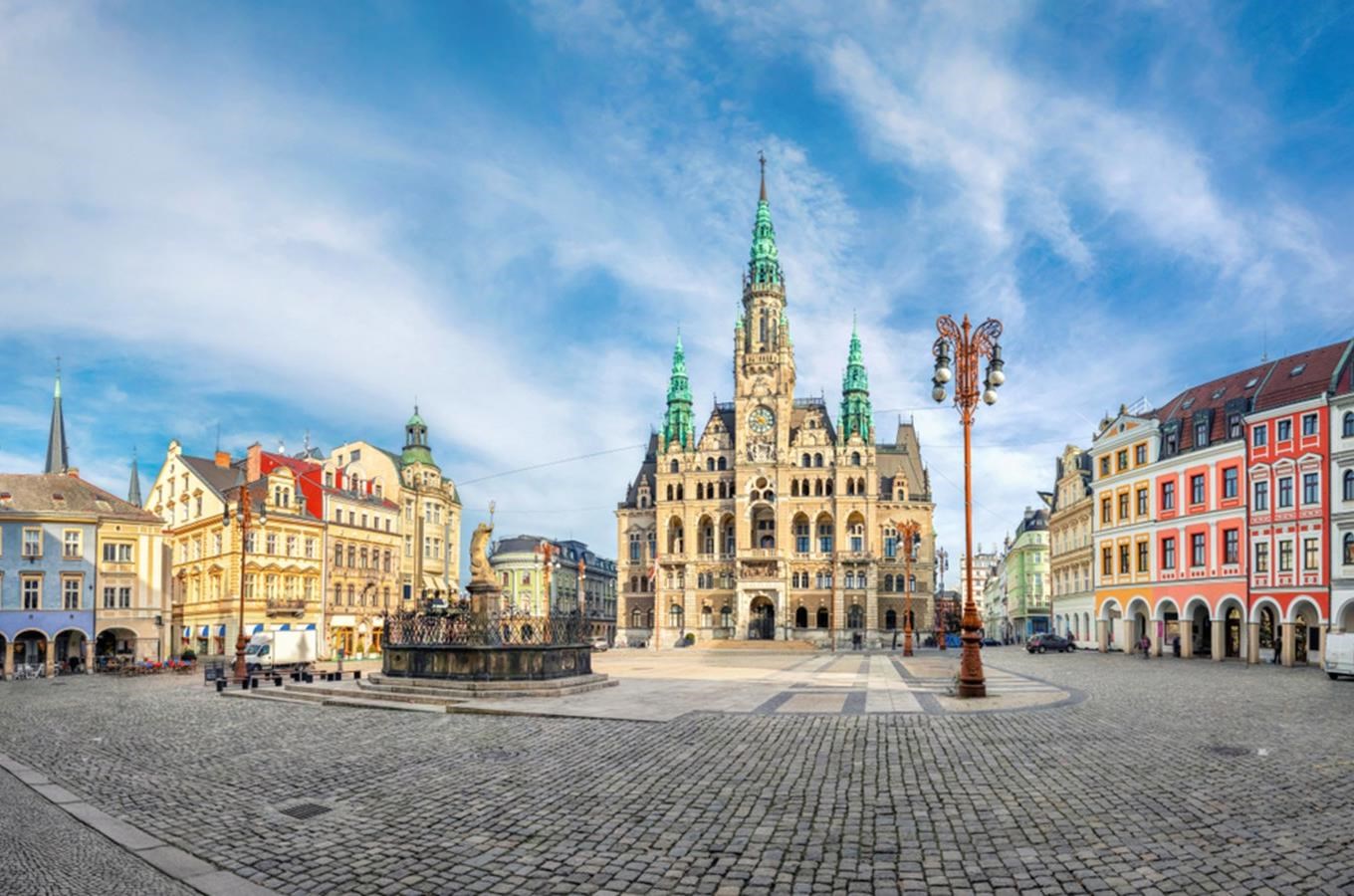
The České Budějovice Agglomeration (ČBA) comprises 81 municipalities with a population of 180 thousand. Its development is coordinated through the ČBA Integrated Territorial Strategy, which brings together innovative, smart and sustainable approaches.
The strategy aims to enhance the region’s competitiveness, attractiveness and quality of life. Implemented projects contribute to fullfilling the following key priorities:
Transport: new cycle paths and footpaths, the modernisation of transport terminals, the acquisition of trolleybuses and the development of green infrastructure.
Education: modernisation of schools, increasing kindergarten capacity and creating high-quality learning environments.
Culture and heritage: restoration and preservation of important cultural heritage sites.
Together, these efforts are helping to create a region that is attractive for living, working and leisure.
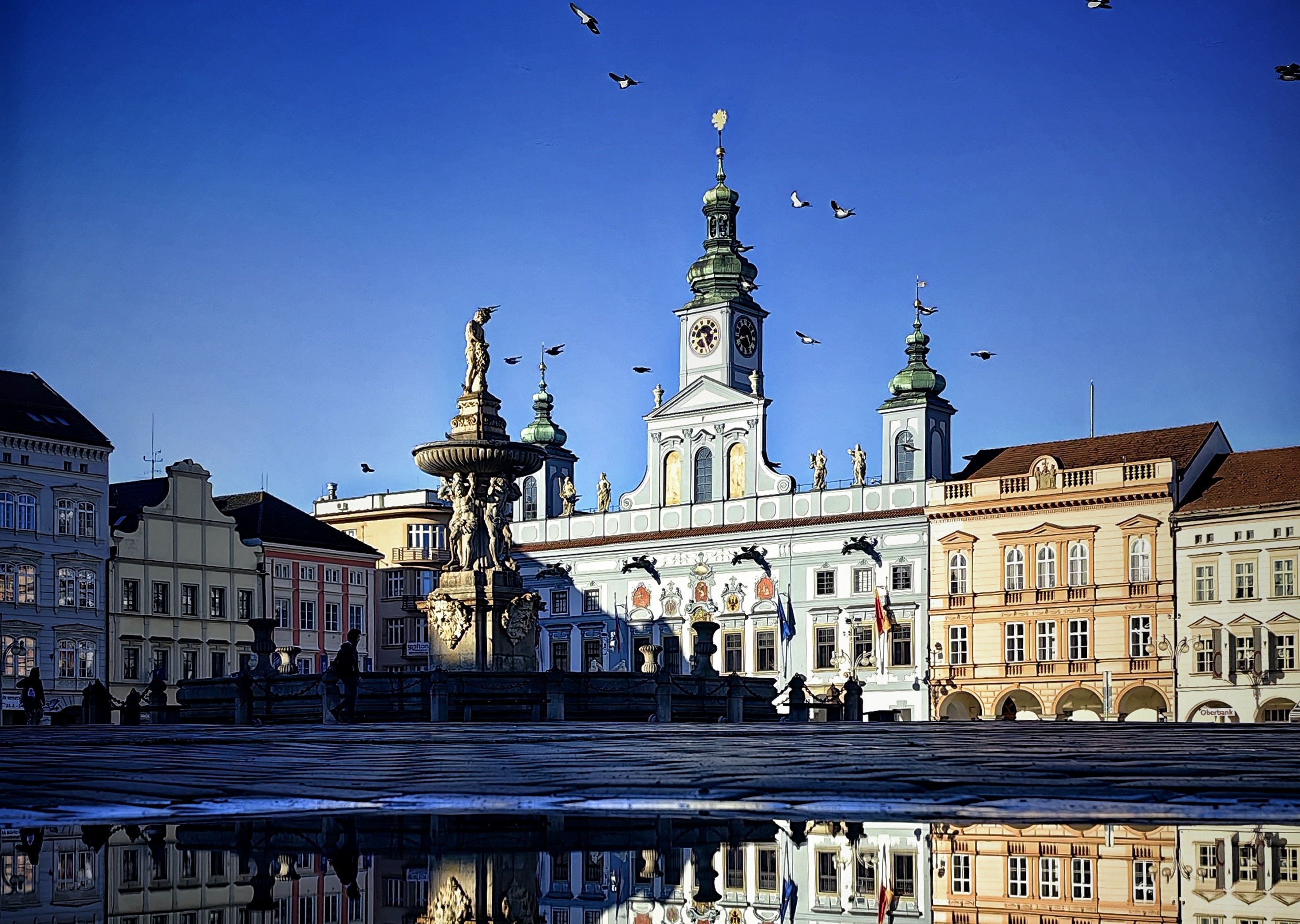
The Karlovy Vary Agglomeration (KVA) comprises 33 municipalities with a population of more than 137 thousand, covering an area of 610 km². Its development is coordinated through the KVA Integrated Strategy and the Integrated Territorial Investments (ITI) instrument, which serves as a key mechanism for the integrated, effective and sustainable development of the region.
As a structurally disadvantaged area, the agglomeration focuses on improving quality of life, supporting economic growth and strengthening social cohesion. Since 2014, integrated investments have focused primarily on social services, with an emphasis on service development and inclusion, the development of specialised classrooms and modern educational facilities, as well as the regeneration of heritage sites supporting tourism and regional identity. Other important areas include the improvement of public spaces, the modernisation of transport infrastructure and better access to public transport, with an emphasis on low-emission technologies and the quality of transport interchanges.
The integrated approach makes it possible to respond to the specific needs of the area and create the conditions for the balanced, competitive and sustainable long-term development of the Karlovy Vary Agglomeration.
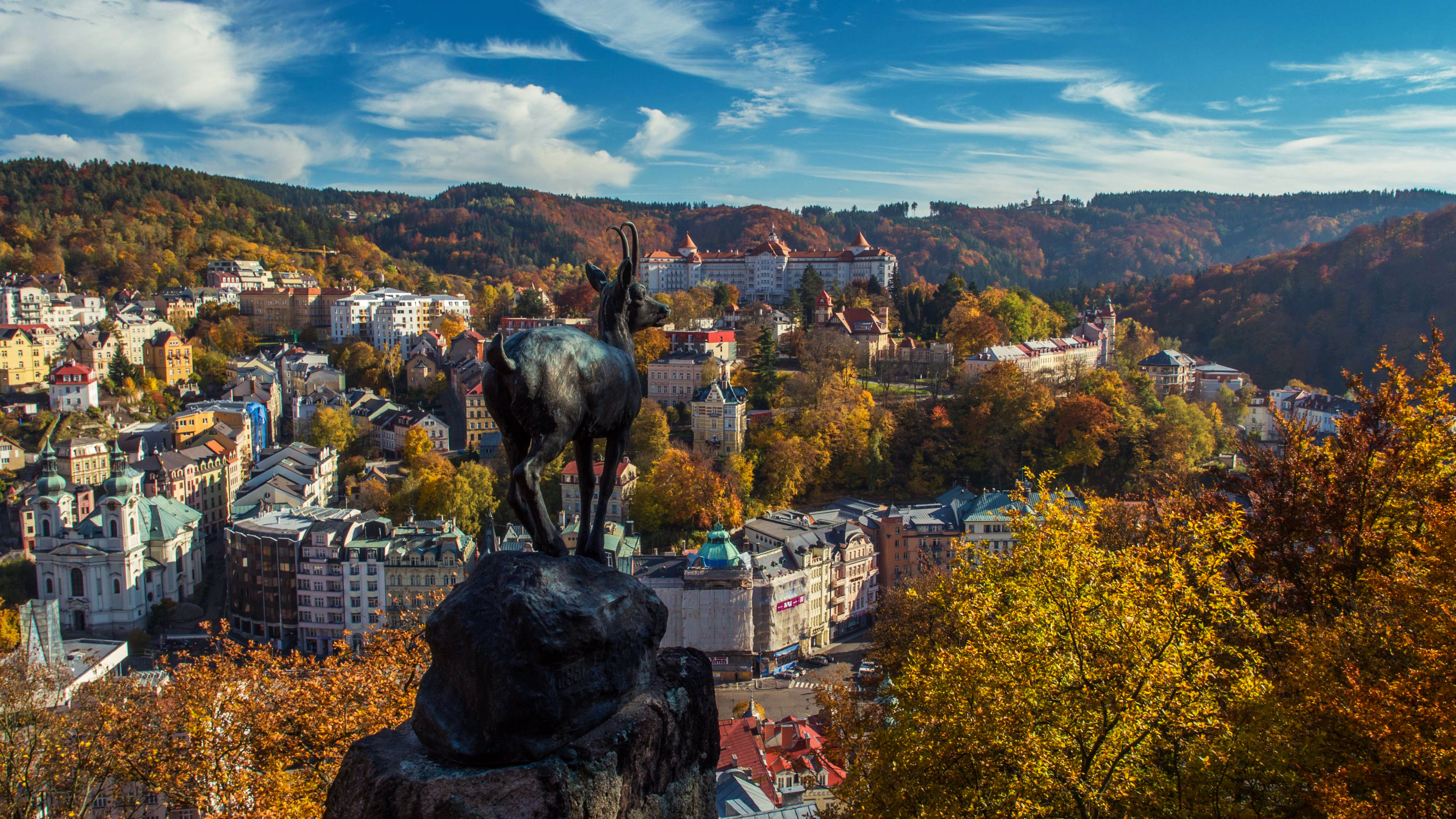
The Zlín Agglomeration (ZA) includes 36 municipalities with a population of 130 thousands. Integrated Territorial Investments (ITI) in the Zlín Agglomeration represent an important funding instrument for strategic projects in the area, helping to align financial resources with specific local needs and support the sustainable growth of the region, with the aim of making the Zlín Agglomeration a place offering a high quality of life for people of all generations.
In the 2021–2027 period, projects in the Zlín Agglomeration are being implemented with substantial financial support from the EU through ITI. These funds are primarily being used to develop transport infrastructure, support science, research and education, improve the quality of the environment, and develop culture and tourism. The planned projects include expanding the trolleybus network, building new cycle paths and specialised classrooms in primary schools, regenerating public spaces and restoring heritage sites.
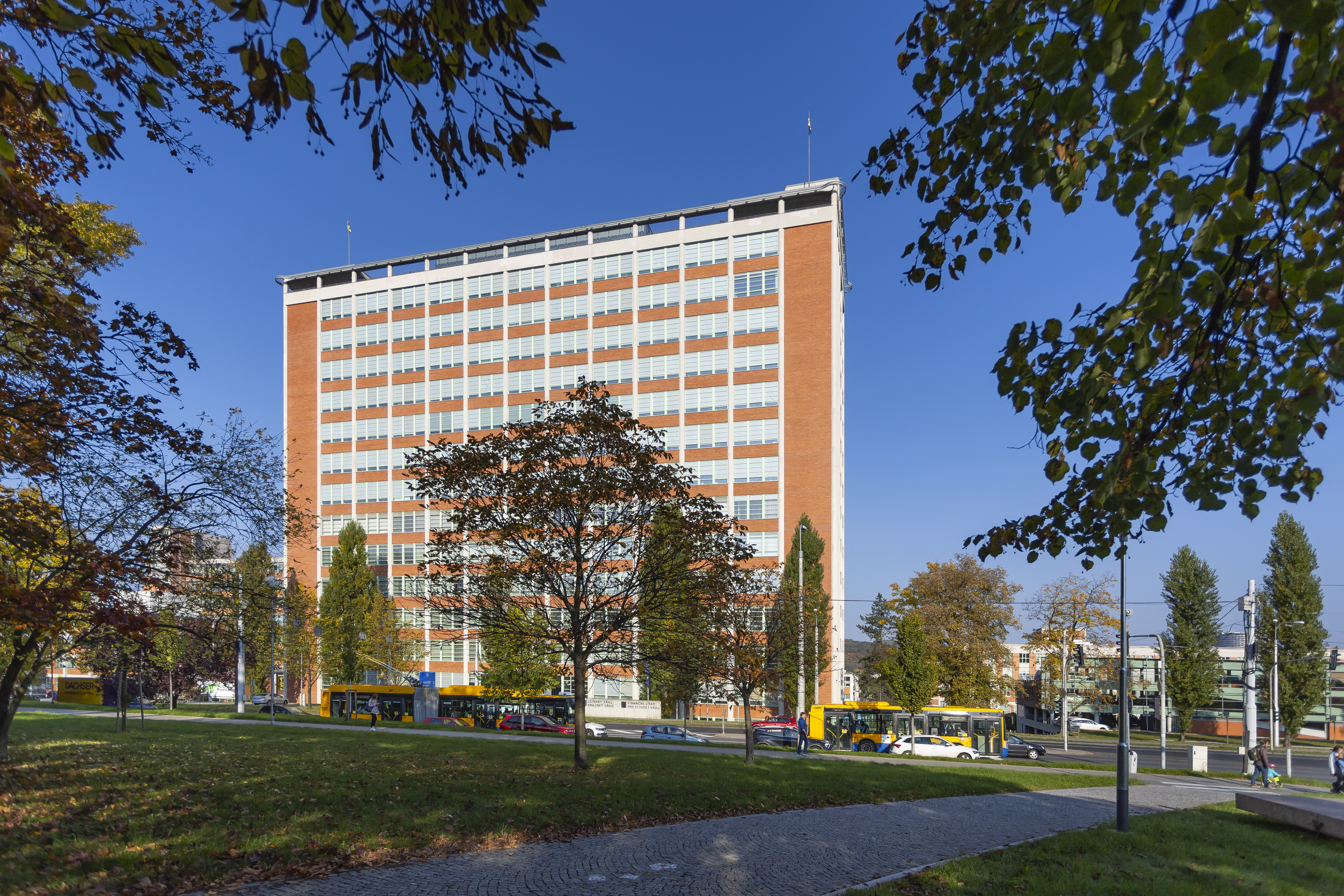
The Mladá Boleslav Agglomeration (MBA) is a functional area centred around the city of Mladá Boleslav, consisting of 63 municipalities with a total population of more than 109 thousand.
The development of the area is coordinated through the Integrated Territorial Investments (ITI) instrument and an integrated strategy that brings together the needs of the city and its hinterland. ITI supports projects aimed at strengthening public transport, developing cycle paths, modernising educational facilities, developing specialised classrooms and improving public services. The regeneration of public spaces and the promotion of sustainable mobility also play an important role, reflecting the specific characteristics of a region closely linked to the automotive industry.
The aim is to ensure the balanced, competitive and sustainable development of the entire area, with Mladá Boleslav serving as a strong centre that effectively connects the surrounding municipalities and contributes to a higher quality of life for all residents of the agglomeration.
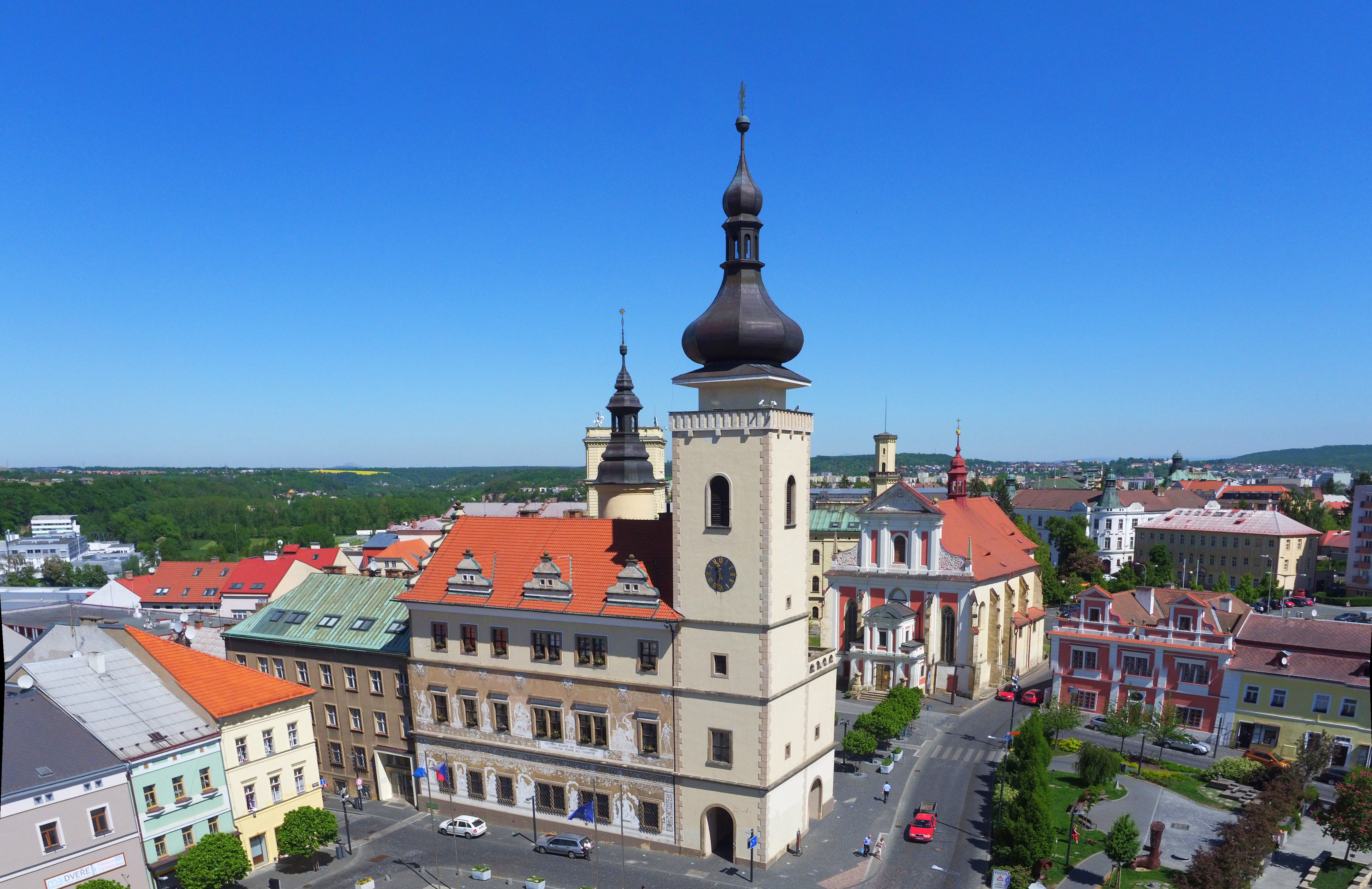
The Jihlava Agglomeration (JA) comprises 56 municipalities with a population of nearly 98 thousand and represents a dynamically developing area, bringing together the regional capital and the surrounding municipalities in a closely interconnected functional area.
In the 2021–2027 programming period, Jihlava has actively engaged in the Integrated Territorial Investments (ITI) instrument. Through open calls, 49 projects have been included in the Integrated ITI Strategy, with CZK 1.27 billion in EU funding. Investments are focused on modern and sustainable transport, environmental protection, the development of social services, strengthening competitiveness and the preservation of cultural heritage. A key project is the construction of the first phase of the Central Transport Terminal, which will improve connections between different modes of transport and increase passenger comfort. Another project making a significant contribution to transport accessibility in the area is the second phase of the Hodice–Třešť–Jezdovice–Salavice–Kostelec cycle path.
The coordination of integrated projects is managed by the ITI Management Department of the Jihlava City Hall, which works with municipalities, non-profit organisations and other local partners. The shared goal is the balanced development of the entire agglomeration and strengthening its attractiveness for residents and visitors.
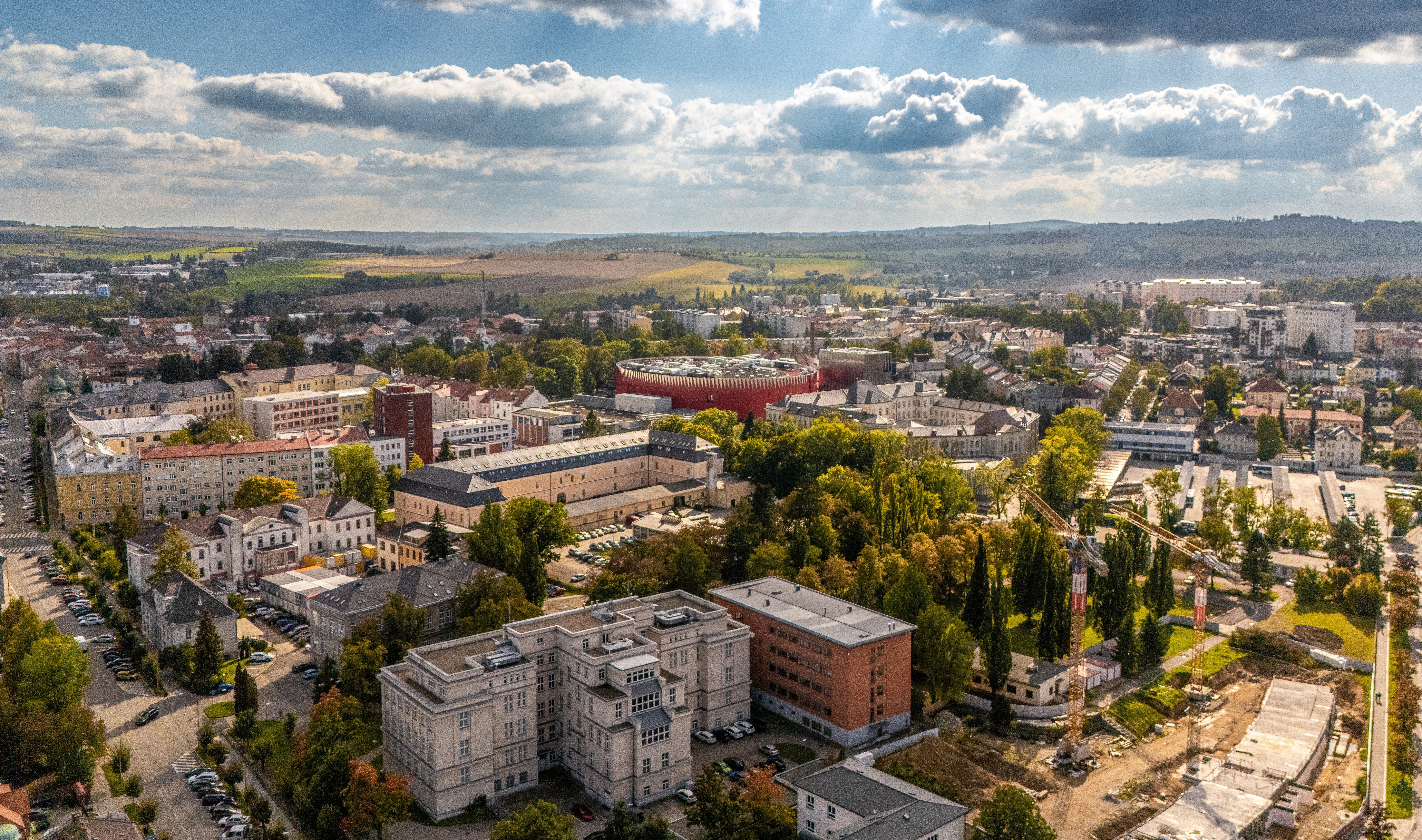
Prague Metropolitan Area
491 municipalities
2 302 thousand inhabitants
4 822 km²
Ostrava Metropolitan Area
172 municipalities
962 thousand inhabitants
2 710 km²
Brno Metropolitan Area
184 municipalities
735 thousand inhabitants
1 978 km²
Ústí–Chomutov Agglomeration
132 municipalities
549 thousand inhabitants
2 317 km²
Olomouc Agglomeration
174 municipalities
402 thousand inhabitants
1 731 km²
Hradec Králové–Pardubice Agglomeration
152 municipalities
351 thousand inhabitants
1 307 km²
Plzeň Agglomeration
108 municipalities
331 thousand inhabitants
1 323 km²
Liberec–Jablonec Agglomeration
47 municipalities
227 thousand inhabitants
808 km²
České Budějovice Agglomeration
81 municipalities
180 thousand inhabitants
1 001 km²
Karlovy Vary Agglomeration
33 municipalities
137 thousand inhabitants
610 km²
Zlín Agglomeration
36 municipalities
130 thousand inhabitants
440 km²
Mladá Boleslav Agglomeration
63 municipalities
109 thousand inhabitants
597 km²
Jihlava Agglomeration
56 municipalities
98 thousand inhabitants
719 km²